
Understanding the Electric Collar Consultation: What Cat Owners Need to Know
Category : Cat Safety

A new government consultation on electric shock collars has generated a lot of attention and concern among pet owners. While much of the public debate has focused on dog training devices, cat owners are rightly asking how this consultation could affect them — especially those who use or are considering electronic containment systems for cats.
At this stage, it’s important to understand that this is a consultation process, not a final decision. The scope, definitions, and evidence are still being reviewed, and outcomes will depend on a careful balance of animal welfare, safety, and practical realities.
In this article, we explain:
- What the current consultation is examining
- How past reviews — such as the 2016 DEFRA cat containment study — have informed policy thinking
- Why precise language and evidence matter when discussing welfare outcomes
- What cat owners should be aware of now
What Is the Electric Collar Consultation?
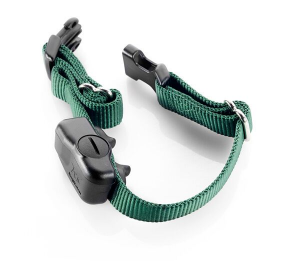
The Government consultation focuses on the use of electric shock collars and related devices, with the stated aim of reviewing their impact on animal welfare. Importantly, this stage is about gathering evidence and views, not announcing a ban or setting final policy.
Consultations like this are designed to:
- Define what types of devices are being discussed
- Review existing scientific and welfare evidence
- Consider how different technologies are used in real-life settings
- Identify any unintended safety consequences of policy changes
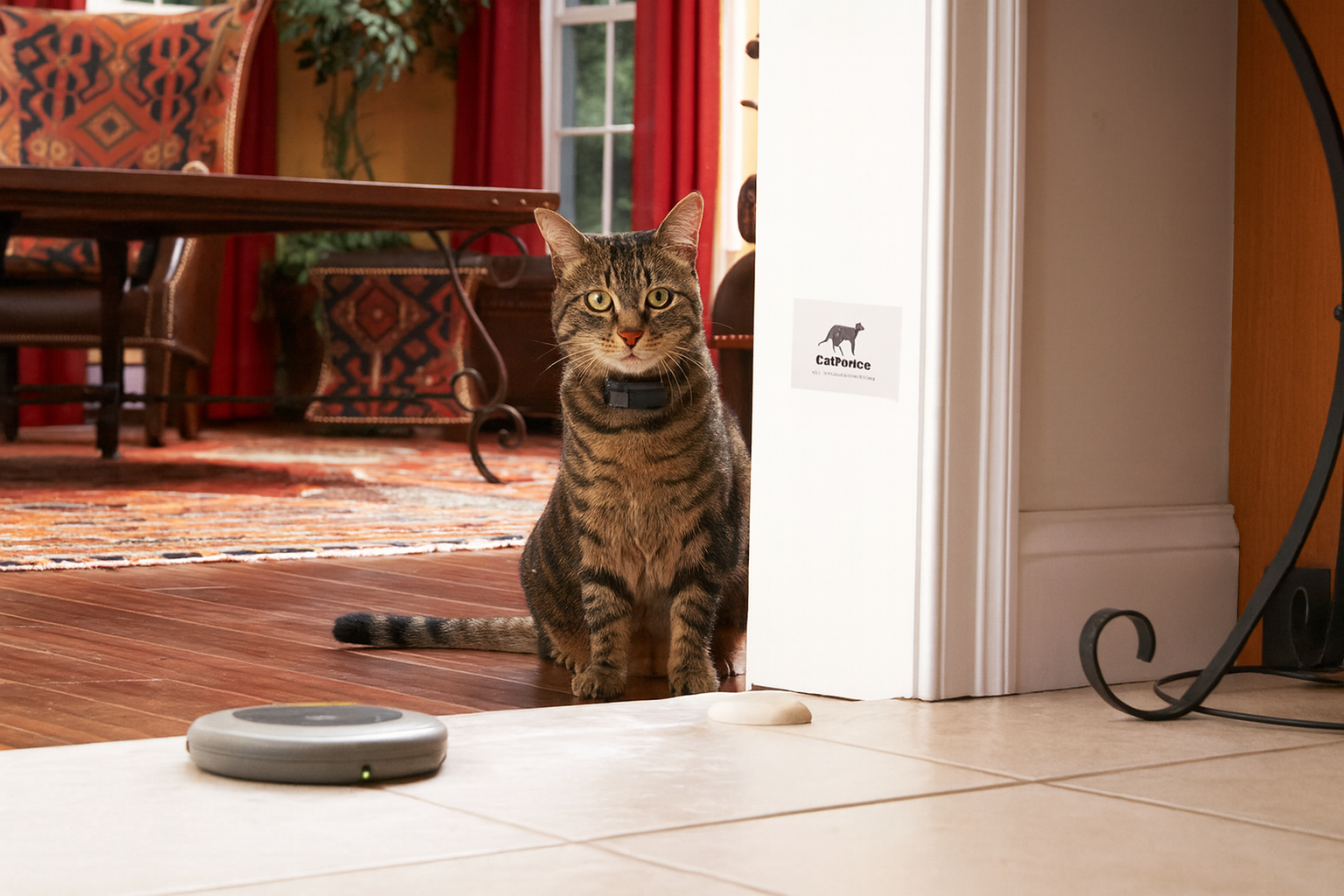
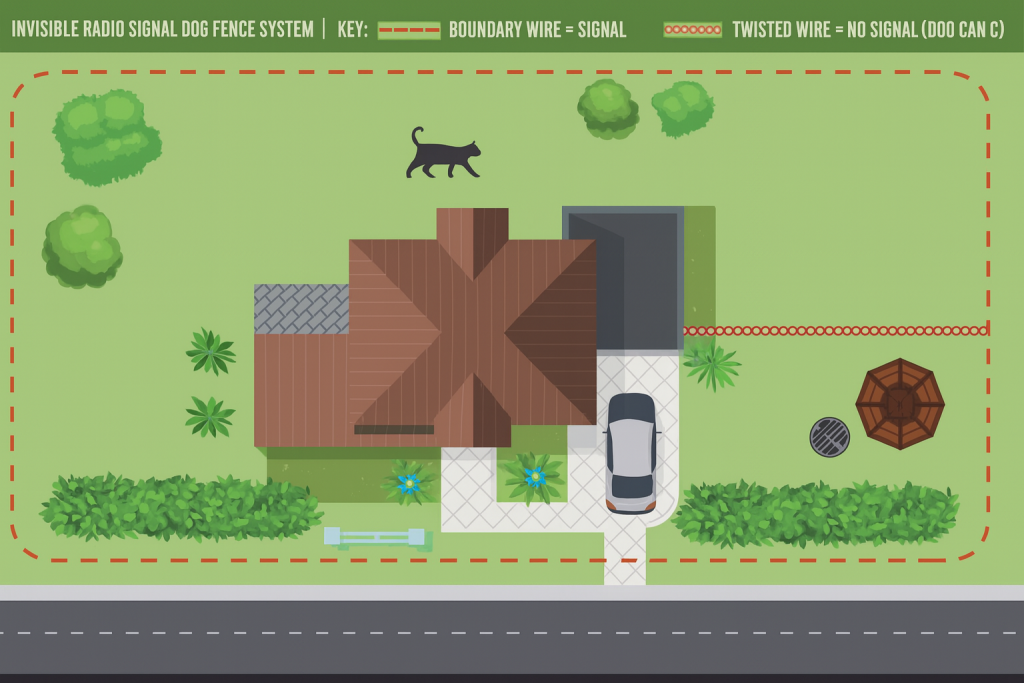
For cat owners, this distinction matters. Devices used for training are often very different in purpose, design, and use from containment systems intended to prevent cats from accessing dangerous areas such as roads, railways, or neighbouring properties.
Understanding what the consultation is — and what it is not — is essential before drawing conclusions based on headlines alone.
Cats, Containment, and the Importance of Evidence
Cats have long been recognised as behaving very differently from dogs. They are more independent, less responsive to traditional training methods, and far more likely to roam widely if given the opportunity. Because of this, policy discussions around cats have historically relied heavily on evidence, rather than assumption.
In 2016, DEFRA commissioned a specific study into electronic containment systems for cats, examining how they were used, how cats responded to them, and whether they raised welfare concerns when installed and managed correctly. The study acknowledged that, unlike training collars, containment systems are designed to set boundaries, not to modify behaviour through repeated correction.
The findings highlighted that:
- Cats are highly motivated to explore and roam
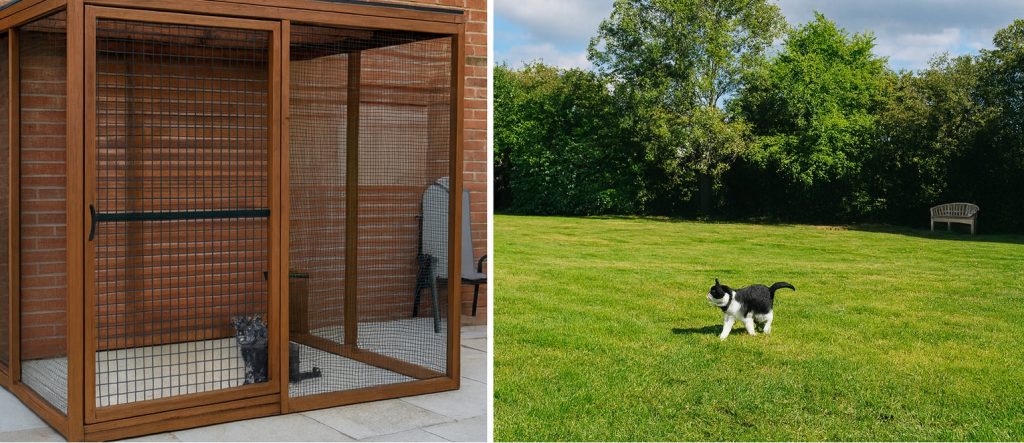
- Physical fencing is often impractical or ineffective for cats
- Containment systems were commonly used to prevent access to roads or other serious hazards
- When properly installed and introduced gradually, welfare risks could be mitigated
This research helped establish the principle that cat containment should be assessed on its own merits, rather than grouped automatically with other electronic devices.
Previous Government Statements and Why Language Matters
When the Government previously announced plans to ban the use of handheld electric shock collars, ministers were careful to acknowledge that not all electronic systems are the same. In public statements at the time, Sir John Hayes and Michael Gove both referenced the particular challenges of managing cats safely, recognising their independent nature and natural roaming behaviour.
In doing so, they even drew on the well-known words of T. S. Eliot, whose observations about cats captured an important truth: cats do not behave like dogs, and they cannot be managed using the same assumptions or tools.
This moment matters because it underlines a key principle that remains relevant today — policy must be precise. Lumping together very different technologies, species, and use-cases risks unintended consequences, particularly where safety is concerned.
As the current consultation progresses, clarity of language and careful definition will be essential to ensure that decisions are guided by evidence rather than misunderstanding.
What Cat Owners Should Consider Right Now
While the consultation is ongoing, it’s understandable for cat owners to feel uncertain. At this stage, the most important thing is not to jump to conclusions based on incomplete information or headlines.
If you currently use, or are considering, an electronic containment system for your cat, it’s sensible to focus on:
- Purpose: Is the system being used to prevent access to genuine hazards such as busy roads, railways, or neighbouring properties?
- Installation: Is the system professionally installed or carefully set up to ensure consistent signals and clear boundaries?
- Introduction: Has your cat been introduced gradually, with visual markers and positive reinforcement rather than sudden exposure?
- Welfare: Is your cat calm, confident, and showing no signs of stress or avoidance behaviour?
These factors are central to welfare discussions and are likely to remain relevant regardless of the outcome of the consultation.
Most importantly, cat owners should look for balanced, evidence-led information and avoid making changes based purely on speculation. Responsible use, clarity of purpose, and ongoing observation of your cat’s behaviour are key.
Conclusion: Calm, Evidence-Led Decisions Matter
Consultations like this exist to gather evidence, consider real-world use, and understand the potential consequences of policy changes. For cats, whose behaviour, independence, and safety risks differ significantly from dogs, those distinctions matter.
Previous research — including the 2016 DEFRA-commissioned cat containment study — and earlier government statements have consistently highlighted the importance of assessing cat containment systems on their own merits, rather than grouping them together with unrelated devices.
As this consultation unfolds, the most constructive approach for cat owners is to stay informed, read beyond the headlines, and engage with evidence-based discussion. Decisions made without nuance risk creating unintended safety issues, particularly for cats living near busy roads or other hazards.
At CatFence, our focus remains on welfare-first containment, careful installation, gradual introduction, and supporting owners in keeping their cats safe without restricting natural behaviour unnecessarily.
We will continue to follow the consultation closely and share clear, factual updates as more information becomes available.

Have questions about cat safety or containment?
If you’re concerned about your cat’s welfare, outdoor safety, or how containment systems work in practice, we’re happy to talk things through clearly and responsibly.
Have questions about cat safety or containment? Call us on 01628 476475 or request a CatFence quote .